

Ohio Lemon Law Explained: A Step-by-Step Guide for Vehicle Owners
When a new vehicle develops repeated mechanical or safety problems, the experience can quickly
Home | Manufacturer | General Motors Lemon Law
General Motors is America’s second-largest automaker, moving about 2.5 million vehicles per year across four brands — Chevrolet, GMC, Buick, Cadillac — and any of those vehicles can trigger a general motors lemon law claim when the same defect keeps showing up at the dealer, from Silverado transmission shudder to Bolt battery recall waits to Escalade air suspension failures to Hummer EV Ultium software bugs. The Lemon Reps have recovered $617,100 across 176 GM-group cases — an average of roughly $3,500 per case, with Cadillac and GMC Denali recoveries pushing substantially higher — as part of our broader $3.2M+ recovered across 1,500+ cases nationwide, and we handle claims across all four GM brands in every state.
William C. Durant founded General Motors in 1908 in Flint, Michigan, stitching the company together through acquisitions of Buick, Oldsmobile, Cadillac, and Oakland (later Pontiac) before losing control twice and dying in obscurity in 1947. GM declared bankruptcy in 2009 during the financial crisis and re-emerged as “New GM” after a government-backed restructuring, which discharged many legacy liabilities but left general motors lemon law obligations for post-reorganization vehicles fully intact. The four North American brands today — Chevrolet (mainstream), GMC (trucks and SUVs), Buick (semi-premium), Cadillac (luxury) — all share the same platforms, which is why the same L87 engine failure or 8-speed transmission defect shows up across multiple brands at the same time.
When a GM vehicle cannot stay out of the shop, both state lemon law and the federal Magnuson-Moss Warranty Act apply identically across all four brands — see our lemon law overview for the framework.
GM builds across four brands, and every single one of them sends cases our way. The Lemon Reps handle the full GM family nationwide:
Whether your vehicle is a work-truck Silverado or a six-figure Escalade-V, the legal framework is the same — and we know how GM handles every one of them.
Your GM vehicle likely qualifies when the same defect has been repaired 2 or more times for a safety issue (3 to 4 for non-safety issues), it has been out of service 30 or more cumulative days, or the defect substantially impairs use, value, or safety. Common triggers across all four GM brands include:
Most state laws run 18 to 24 months or 18,000 to 24,000 miles from delivery; federal Magnuson-Moss extends to 4 years from breach. Document everything, then file your chevrolet lemon law claim or GM-brand claim with a free case review.
Here is the GM differentiator: one buyback pipeline serves four brands. GM processes all Chevy, GMC, Buick, and Cadillac claims through its Customer Assistance Center and a dedicated Reacquired Vehicle Team based in Warren, Michigan. Each brand has its own customer service line:
The buyback processing is centralized in Warren regardless of which brand you bought. GM participates in BBB AUTO LINE as the informal dispute option (binding on GM, not on you), and opening offers arrive as extended powertrain warranty, free service contracts, or trade-in credits well below a statutory buyback.
New GM vehicles drive most of the claim volume. The heaviest density falls on:
Used GM vehicles under the 3yr/36K bumper-to-bumper or 5yr/60K powertrain warranty stay eligible in many states and always qualify under federal Magnuson-Moss with an active written warranty.
GM Certified Pre-Owned vehicles add a 12-month/12,000-mile bumper-to-bumper and 6-year/100,000-mile powertrain warranty that activates Magnuson-Moss even after the original factory coverage expires. The Bolt battery recall is a particularly strong used-vehicle scenario because replacement batteries were back-ordered for months.
A typical GM lemon law buyback funds within 30 to 90 days from the signed settlement. Timeline depends on case complexity:
A proper general motors lemon law buyback returns:
A mileage offset is subtracted from the first reported defect, and California and similar civil penalty states add up to 2x actual damages when GM’s conduct was willful.
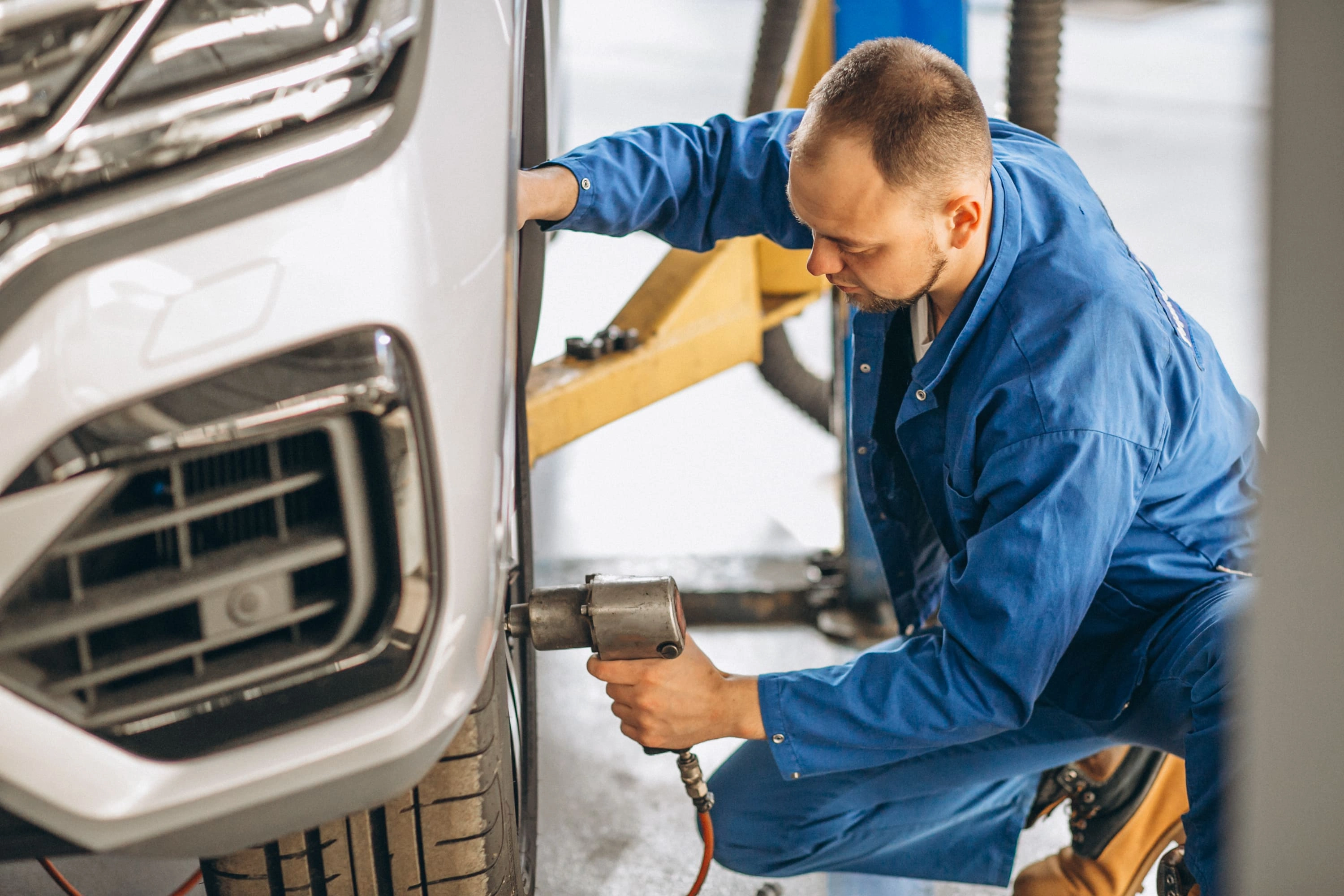
If your General Motors vehicle has been experiencing repeated issues, you’re not alone. While GM produces some of the most recognized vehicles in the U.S., certain models have been linked to recurring defects, recalls, and ongoing repair problems. These issues can affect the safety, reliability, and value of your vehicle—and may qualify under lemon law protections.
Below are some of the most commonly recalled General Motors models:
“Lemon Law protects owners and lessees of vehicles with persistent defects.” –– Joseph Novel, Esq., National Lemon Law Attorney


founding attorney
The Chevrolet Silverado and GMC Sierra are among the most frequently reported GM vehicles in GM Lemon Law claims, with transmission failures and engine defects generating the highest complaint volume. The Chevrolet Equinox and GMC Terrain have seen significant lemon law activity tied to excessive oil consumption in 2.4L engine models. The Chevrolet Traverse and Buick Enclave have also generated notable complaints involving timing chain failures and transmission defects. Cadillac Escalade owners have reported persistent electrical system and infotainment failures.
GM lemon law settlements can take two forms. The first is a class action settlement where GM agrees to compensate a large group of affected consumers, typically involving a specific defect across multiple model years. The second is an individual settlement negotiated directly between your attorney and GM on your behalf. Individual GM lemon law settlements generally result in higher compensation than class action payouts because they are tailored to the specific losses you experienced.
GM processes all brand buybacks through its Reacquired Vehicle Team at the Warren, Michigan corporate campus, with brand-specific customer service numbers routing you to the same team. An attorney sends formal demand letters directly to GM’s legal department, which moves the case past the first-line customer service loop.
It may. The GM ignition switch defect affected millions of Chevrolet, Pontiac, and Saturn vehicles and is one of the most significant automotive safety scandals in U.S. history. If your vehicle was part of the recall and you experienced defects related to the ignition switch, you may still have grounds for a GM Lemon Law claim depending on your state’s laws and the timing of your repair attempts. Even if your vehicle was repaired under the recall, if the underlying defect or related issues persist, a separate GM Lemon Law claim may be appropriate.
When a new vehicle develops repeated mechanical or safety problems, the experience can quickly

Vehicle owners expect a new car or truck to function reliably, especially during the

Getting a buyback offer can feel like a relief. You finally have something in